
Introduction
You've probably heard successful people rave about their morning routines—the 5 AM wake-ups, the cold plunges, the hour-long meditation sessions. And if you're like most people, you've felt a mix of inspiration and overwhelm. How could you possibly fit all that into your already-busy mornings?
Here's the truth: you don't have to. The most effective morning routines aren't about cramming in every productivity hack you've ever heard of. They're about starting small, staying consistent, and building something that actually works for your life.
This guide is designed specifically for beginners—people who want to transform their mornings but don't know where to start. We'll help you build a simple 15-minute foundation that you can expand over time as it becomes second nature. No complicated systems. No unrealistic expectations. Just practical steps you can implement tomorrow morning.
What is a Morning Routine?
A morning routine is simply a set of activities you do in the same order each morning after waking up. That's it. Nothing fancy, nothing complicated.
Think about what you already do each morning—maybe you check your phone, use the bathroom, brush your teeth, and grab coffee. Congratulations: you already have a morning routine. It's just not an intentional one.
An intentional morning routine means choosing activities that set you up for a better day, rather than defaulting to whatever feels easiest in your groggy state. It's the difference between stumbling through your morning on autopilot and starting your day with purpose.
The key word here is routine. According to research from Duke University, approximately 40% of our daily actions are habits, not conscious decisions. When your morning becomes automatic, you free up mental energy for the things that actually require your attention throughout the day.
Why Should You Care?
You might be wondering if morning routines are just another self-improvement trend. Here's why they genuinely matter, especially for beginners looking to level up their lives.
You start the day in control. When you wake up without a plan, external demands immediately take over. Your phone buzzes with notifications, emails pile up, and suddenly you're reactive instead of proactive. A morning routine puts you in the driver's seat before the world starts making requests.
You build momentum. Completing even small tasks early in the day creates what psychologists call "small wins." These wins trigger the release of dopamine, making you feel motivated to tackle bigger challenges. Starting with accomplishments—even tiny ones—sets a productive tone for everything that follows.
You reduce decision fatigue. Your brain has limited decision-making capacity each day. By automating your morning, you preserve mental energy for important decisions later. This is why successful people from Steve Jobs to Mark Zuckerberg have famously simplified their morning choices.
You create time for yourself. For many people, mornings are the only time they truly control. Before work demands, family obligations, and social commitments take over, you have a window that belongs entirely to you. A morning routine helps you use that time intentionally.
Getting Started
Before you design your morning routine, you need to understand your current situation. Don't skip this step—it's the foundation everything else builds on.
-
Write down what time you wake up and everything you do until you leave for work or start your day. No judgment—just observation.
-
What time do you naturally wake up? What time do you need to wake up? Be realistic about what's sustainable for you right now.
-
Are you alert immediately upon waking or do you need time to warm up? This affects which activities work best for you.
-
How much time do you realistically have between waking up and when obligations begin? Start with whatever you have, even if it's just 15 minutes.
-
What's the single most important thing you want your morning routine to help you achieve? More energy? Less stress? Time for exercise? Pick one focus to start.
The biggest mistake beginners make is trying to implement a complete lifestyle overhaul on day one. Resist that urge. Your only goal right now is to establish consistency with something small. You can always add more later—and you will. But first, you need to prove to yourself that you can stick with a routine at all.
Basic Concepts
Understanding a few core concepts will help you build a routine that actually sticks. These aren't complicated theories—they're practical principles that make habit formation easier.
Habit Stacking
This technique, popularized by author James Clear in Atomic Habits, involves attaching a new habit to an existing one. The formula is simple: "After I [current habit], I will [new habit]."
For example: "After I pour my morning coffee, I will write in my journal for two minutes." Your existing habit (coffee) becomes the trigger for your new habit (journaling). This works because your brain already has a strong neural pathway for the existing behavior.
The Two-Minute Rule
When starting any new habit, scale it down to something you can do in two minutes or less. Want to meditate? Start with two minutes. Want to exercise? Start with two minutes of stretching. Want to read? Start with one page.
This sounds almost too simple, but that's exactly the point. The goal isn't to transform your life in two minutes—it's to establish the habit of showing up. Once the habit is automatic, you can expand it naturally.
Trigger, Routine, Reward
Every habit has three components according to research from MIT:
- Trigger: The cue that initiates the behavior (your alarm going off, your feet hitting the floor)
- Routine: The behavior itself (your morning activities)
- Reward: The positive feeling that reinforces the habit (feeling accomplished, energized, or calm)
When designing your routine, think about all three. Make your triggers obvious, your routine easy, and your rewards satisfying.
Environment Design
Your environment shapes your behavior more than willpower ever will. If you want to journal in the morning, put your journal and pen on your nightstand. If you want to drink water first thing, place a glass by your bed before sleep. Remove friction from good behaviors and add friction to bad ones.
Common Beginner Mistakes
Learning from others' mistakes can save you weeks of frustration. Here are the most common pitfalls beginners fall into—and how to avoid them.
- Starting with just 1-2 new activities
- Waking up 15-30 minutes earlier than usual
- Preparing everything the night before
- Tracking your consistency, not perfection
- Adjusting your routine based on what works
- Copying someone else's exact routine
- Waking up 2+ hours earlier immediately
- Making decisions while groggy in the morning
- Beating yourself up for missing a day
- Rigidly sticking to a routine that isn't working
Mistake #1: The Complete Overhaul
You read about a CEO's morning routine and decide to wake up at 5 AM, meditate for 20 minutes, exercise for an hour, journal, read, and meal prep—all starting Monday. By Wednesday, you're exhausted and back to your old habits, feeling worse than before.
The fix: Add one element at a time. Master it for at least two weeks before adding another.
Mistake #2: Ignoring Your Chronotype
Not everyone is meant to be a morning person. Your chronotype—your natural inclination toward being a morning lark or night owl—is largely genetic. Fighting against your biology is a losing battle.
The fix: Work with your natural tendencies. If you're not a morning person, don't try to wake up at 5 AM. A consistent 7 AM routine you actually follow beats a 5 AM routine you abandon after three days.
Mistake #3: Phone First Thing
Reaching for your phone immediately upon waking floods your brain with information, notifications, and other people's priorities. You start the day reactive instead of intentional.
The fix: Keep your phone in another room or at least out of arm's reach. Complete at least one element of your routine before checking it.
Mistake #4: No Buffer Time
Packing your routine so tightly that one small delay throws everything off creates stress, not peace. Mornings rarely go exactly as planned.
The fix: Build in 5-10 minutes of buffer time. Better to have a few calm minutes than to rush through your routine or skip it entirely.
Mistake #5: All-or-Nothing Thinking
Missing one day and deciding the whole effort was a failure. Skipping your routine because you "don't have time" for the full version.
The fix: Have a minimum viable routine—the absolute smallest version you can do on hard days. Even one minute of your routine maintains the habit loop.
Your First Morning Routine
Here's a simple 15-minute morning routine designed specifically for beginners. This isn't meant to be your forever routine—it's a starting point that you'll customize over time.
The Beginner's 15-Minute Morning Routine
-
Drink a full glass of water. Your body is dehydrated after hours of sleep. Place the water by your bed the night before so there's zero friction.
-
Do light stretching, a short walk around your home, or simple bodyweight movements. Nothing intense—just get blood flowing and shake off sleep inertia.
-
Ask yourself: What's the one thing that would make today successful? Write it down or simply hold it in your mind. This single focus will guide your day.
-
Sit quietly with your morning beverage. No phone, no TV, no input. Just be present for 120 seconds. This can be meditation, but it doesn't have to be—simply sitting without stimulation counts.
-
Review your calendar, check your to-do list, and mentally preview your day. This is when you can check your phone—after you've centered yourself first.
Customization Options
Once this basic routine feels automatic (usually 2-4 weeks), you can start customizing. Here are elements you might swap in based on your goals:
For more energy: Replace the 5-minute movement with a 10-minute workout using an app like Nike Training Club or a quick yoga flow.
For more creativity: Add morning pages—three pages of stream-of-consciousness writing before your logical brain kicks in.
For more learning: Replace some quiet time with 10 minutes of reading or an educational podcast.
For more mindfulness: Extend the mindful transition into a proper 10-minute meditation using an app like Headspace or Calm.
For better fitness: Gradually extend your movement time and add resistance training or cardio.
Remember: add one element at a time, and only after the previous addition has become automatic.
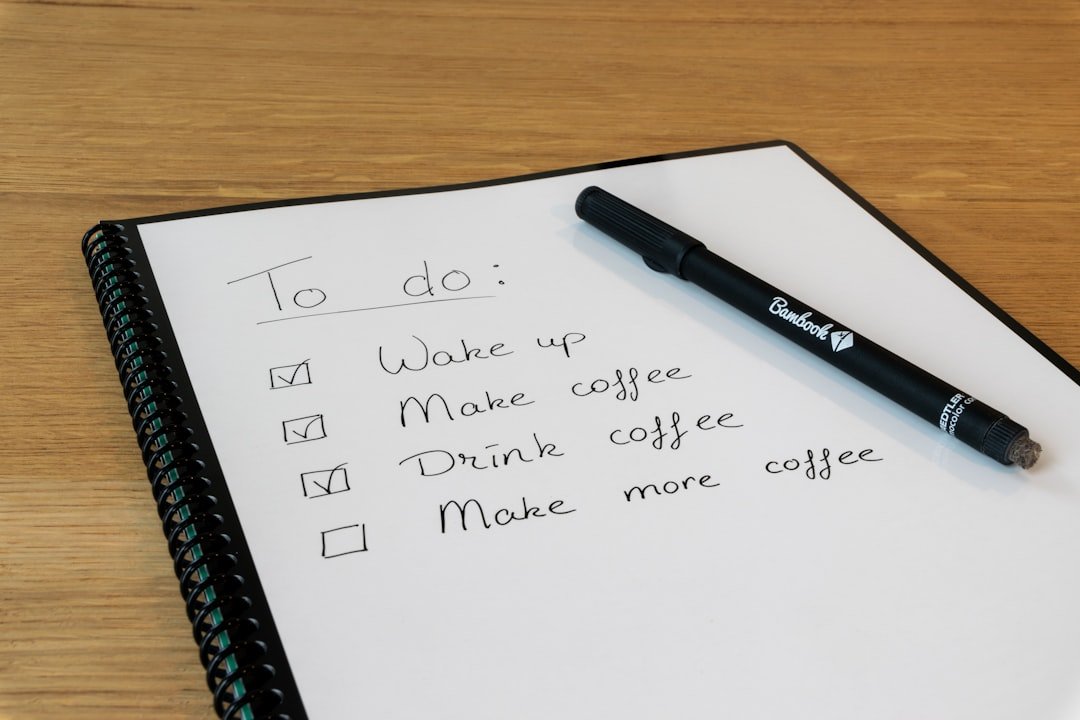
Photo by Thomas Bormans on Unsplash
Next Steps
You now have everything you need to start your morning routine tomorrow. But what happens after you've mastered the basics? Here's your roadmap for continued growth.
Week 1-2: Establish the Foundation
Your only goal is consistency. Do your 15-minute routine every day, even on weekends. Don't worry about doing it perfectly—worry about doing it at all. Track your streak with a simple calendar or habit app.
Week 3-4: Refine and Adjust
Notice what's working and what isn't. Maybe the movement portion feels too short, or the intention-setting doesn't resonate with you. Make small adjustments based on your experience, not on what you think you should do.
Month 2: Add One Element
Once your routine is automatic, add one new element that aligns with your goals. Spend two weeks integrating it before considering any other changes.
Month 3 and Beyond: Expand Gradually
Continue adding elements one at a time. Most people find their ideal routine settles somewhere between 30-60 minutes, but there's no magic number. Some highly effective people have 15-minute routines; others have two-hour routines. The best routine is the one you'll actually do.
Advanced Concepts to Explore
As you progress, you might want to learn about:
- Themed days: Different routine variations for different days of the week
- Seasonal adjustments: Adapting your routine to changing daylight and energy levels
- Evening routines: How your night before affects your morning
- Deep work integration: Using your morning for your most important creative or analytical work
Ready to Go Deeper?
Once you've established your morning routine, learn how to stack habits throughout your entire day for compound results.
Explore Habit Stacking GuideFAQ Section
Conclusion
Building a morning routine isn't about transforming into a different person overnight. It's about making small, intentional choices that compound over time into significant change. That's the Atom Up philosophy: extraordinary results from ordinary, consistent actions.
You don't need to wake up at 5 AM. You don't need to meditate for an hour. You don't need to overhaul your entire life. You just need to start—with something small enough that you can do it tomorrow morning.
Your 15-minute routine is waiting. The water by your bedside, the few minutes of movement, the simple intention for your day. None of it is complicated. All of it works.
The only question left is: will you begin?
Tomorrow morning, when your alarm goes off, you'll face a choice. You can reach for your phone and let the world's demands flood in. Or you can reach for that glass of water and start your day on your terms.
Choose your terms. Start small. Stay consistent. And watch what happens when you stack enough good mornings together.
Your future self is counting on the routine you build today.
Every morning we are born again. What we do today is what matters most.
Comments
No comments yet. Be the first to comment!
Leave a Comment